How we build
Working software in weeks
We deliver working software in weeks, because every project starts on parts that already run in production and on rules that stop mistakes before launch.
Olimpijski Kviz went from nothing to live television in about four weeks, then ran sixteen nights on air. The new SPORTO Awards portal reached production fourteen days after the project was created. Both started from parts we had already built and tested. The weeks went into the product each client asked for.
~4
Weeks from nothing to Olimpijski Kviz on air
14
Days from a new project to SPORTO Awards in production
~2,600
Automated tests in a video ad product built in three weeks
33
Ready-made modules every new project can pick from
What weeks look like on real projects
Olimpijski Kviz is a quiz people played on their phones during the Winter Olympics broadcasts on TV Slovenia 2. It took about four weeks to build, because the Games were not going to move. Then it ran for sixteen nights with up to ten thousand players at once.
SPORTO Awards needed a new portal for entries and jury scoring. The project was created on the morning of 7 September 2026, and by that evening the entrant, the jury and the organiser could each do their part. On 21 September the organiser sent a written brief at 8:37. The portal went live at 17:33 the same day, with that brief built in, and entries opened on it.
We started a video ad product at the end of August. Three weeks later it was a working product with about 80,000 lines of code and roughly 2,600 automated tests. It takes one approved ad and produces every cut of it, in every language and format.
September 2026 also saw Competify start on the 3rd and a pre-sale prototype called POPRI follow. Every one of these began the same way.
Every project starts with the hard parts already built
Most apps need the same foundations. People have to sign in and reset passwords. Some pay by card. Files get uploaded, emails get sent, pages have to show up in search. Somebody has to put the app on a server and keep it there.
We built all of that once, to production standard, as our own starting kit. It has 33 modules, from sign-in and payments to file storage, email and analytics. A new project picks the ones it needs, and the code for the rest is removed before the project exists. The same kit sets up the domain, the certificate, the database and the server in one run.
Competify took its sign-in, security, page rendering and deployment from the kit. About 15,300 lines were written for the product itself on top. That is where the client's weeks go.
- Pages are written with fluent-html, our own library for building web pages in code, used on every project
- Parts proven in one product move into the kit, so the next client starts with them
- A client's app contains only the features that client chose
Mistakes stop the build
Before an app can go live, a program called a compiler reads all of its code and refuses to produce the app if something does not fit. We design our code so that common mistakes are exactly the kind of thing it refuses.
A public page that has no decision about whether search engines should list it does not build. On Competify, a missing Slovenian translation of any piece of text stops the build. On SPORTO Awards, the word counter an entrant sees and the check that refuses an over-long entry read the same number, so the two cannot disagree.
Some mistakes only show up in real use. On Olimpijski Kviz every problem found in production became a permanent automated test, kept in a folder named after the bugs it exists to catch. Speed stays safe because each lesson is written down where the next change has to pass it.
AI coding agents work inside those rules
An AI coding agent is a program that writes and changes code from plain written instructions. Almost every change on the SPORTO Awards portal was made with one, with a person deciding what to build and checking the result.
Agents are only as good as what they can read. So each project keeps its plans, open tasks, decisions, test plans and the client's own emails as plain text files next to the code. The agents read that record before they start and update it when they finish. The next session, human or agent, picks up where the last one stopped.
The same rules that catch our mistakes catch theirs. Code an agent writes has to pass the compiler and the tests like anyone else's. The numbers on this page come from research kept the same way, and each one points back to the file it came from.
Proven by
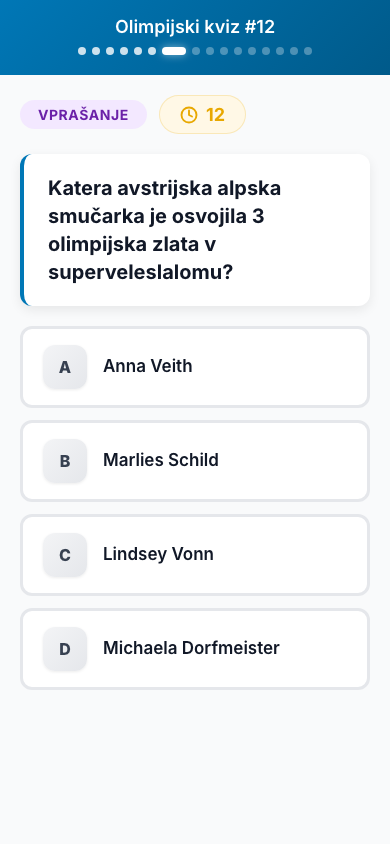
Olimpijski Kviz
A quiz played on ten thousand phones at once, in step with a live Winter Olympics broadcast, every night for sixteen nights.
Every phone asks the server what it should show, about once a second, over ordinary HTTP. There are no WebSockets anywhere. A single clock drives the quiz through lobby, question, sponsor break and standings, and the answers come from a cache prepared for the phase about to start.
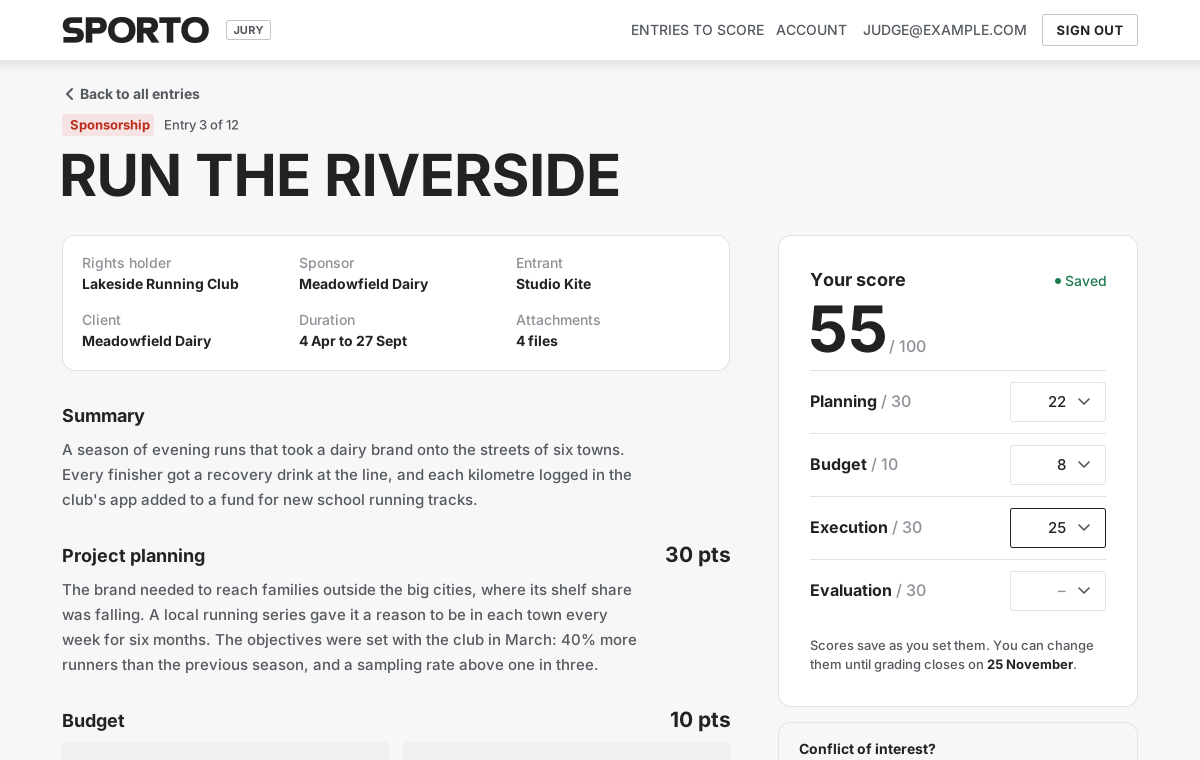
SPORTO Awards
The entry and jury portal for the SPORTO Awards, where companies enter sports sponsorship campaigns, judges score them and the organiser runs the competition.
A judge scores each entry beside the entrant's own write-up. Planning, Budget, Execution and Evaluation appear in the same order on both sides, worth 30, 10, 30 and 30 points. The entry form and the score sheet read one list of criteria in the code, so the two can never drift apart.
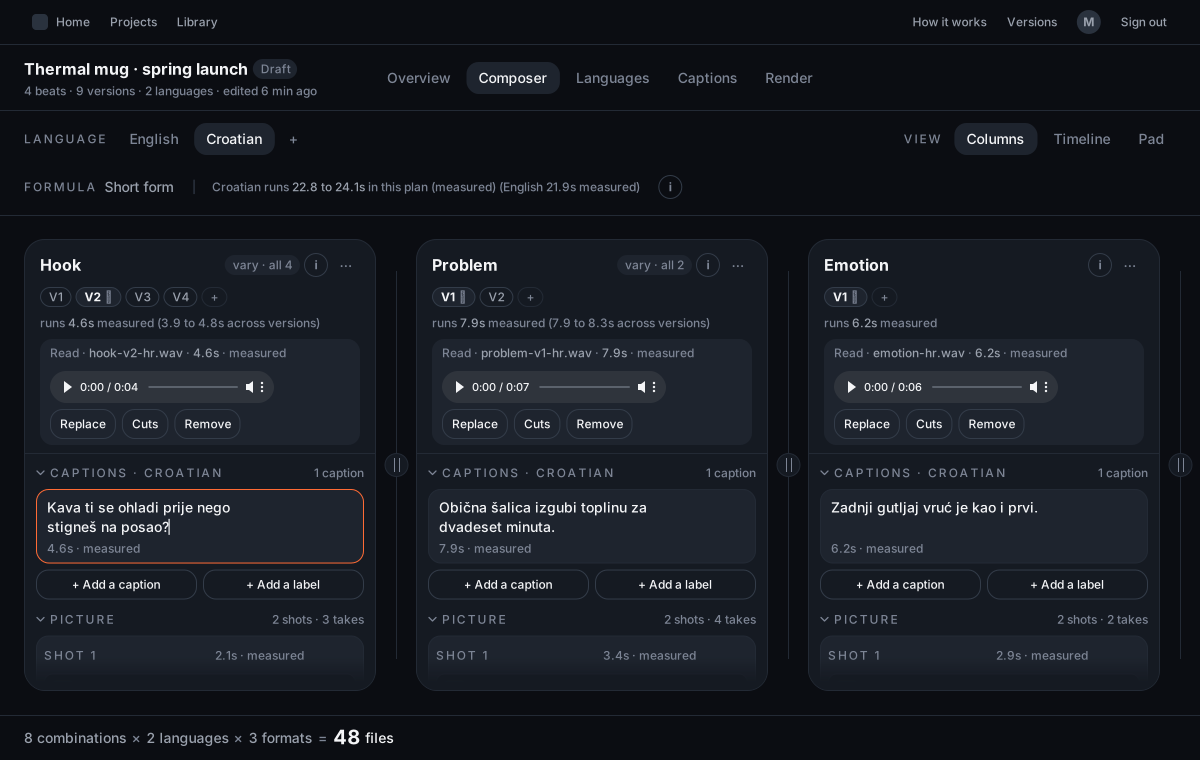
Everyframe Composer
Our pre-launch web app that turns one approved video ad into every cut of it, across opening hooks, languages and formats, timed from the voiceover.
The timing comes from the narrator. The app finds the pauses in each recorded voiceover and puts the default cuts in the longest ones. When the Croatian read runs 0.9 seconds longer, the cut moves by 0.9 seconds and the captions wrap again for Croatian. Every length on screen says whether it was measured or estimated.
One more project behind this does not have a public page yet.
Want this under your project?
Tell us what you need and we build a working prototype first, so you see it before you pay for it.